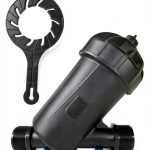

Description
Product Overview
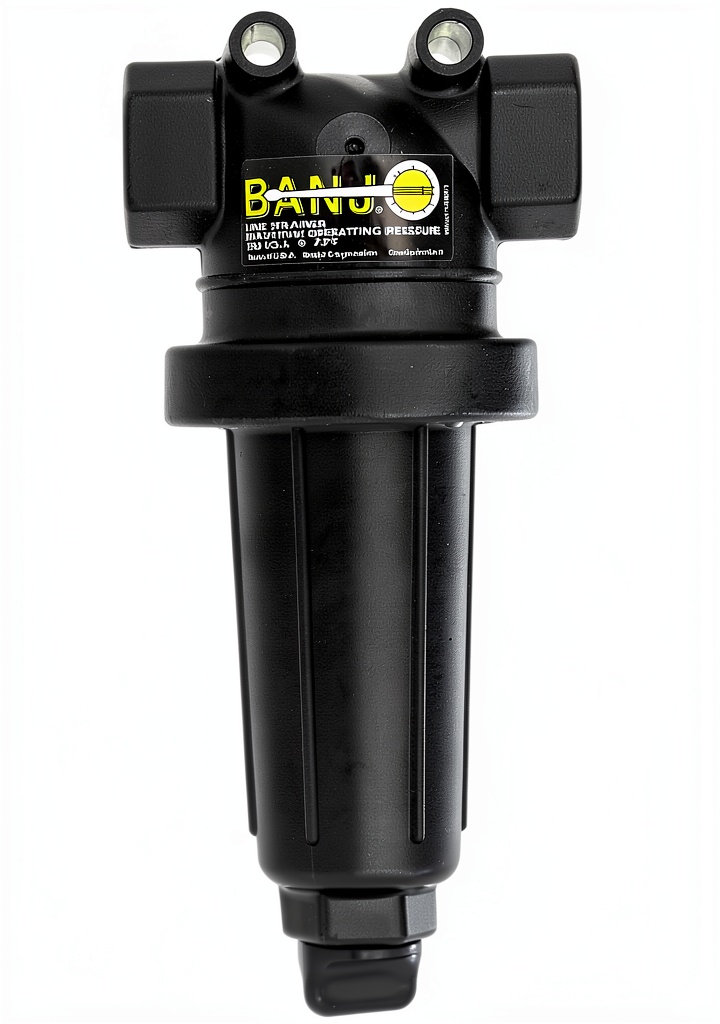
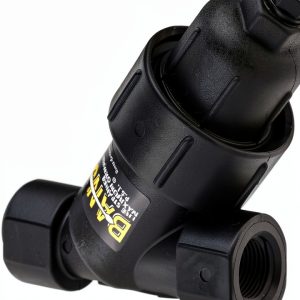
The Banjo LST100-80 Polypropylene T-Strainer is engineered to provide high-efficiency filtration in demanding industrial environments. Constructed from premium-grade polypropylene, the strainer resists corrosion, chemical attack, and temperature extremes, ensuring a long service life even when exposed to harsh fluids. With an 80-mesh screen, it captures fine particles while maintaining a low pressure drop, allowing smooth flow through the system. The unit features a 1-inch NPT female inlet, compatible with standard piping and fittings, and its compact 9.1 × 4 × 3.3 inch dimensions make it easy to install in tight spaces. Weighing only 12 ounces, the strainer is lightweight yet robust, delivering reliable performance in applications ranging from water treatment plants to industrial plumbing, chemical processing, and HVAC systems. The product meets rigorous industry standards and carries the Banjo Corporation’s reputation for quality, backed by a 4.4-star rating from 32 verified customer reviews.
The LST100-80 is designed to meet demanding performance criteria while remaining easy to service. Its 9.1 × 4 × 3.3 inch housing provides a clear view of the screen, allowing quick visual inspection without disassembly. The strainer’s flow capacity reaches up to 12 gpm at a 10 psi pressure drop, delivering efficient throughput for medium-sized pipelines. Each unit undergoes rigorous hydrostatic testing at 150 psi to verify seal integrity and durability under high-pressure conditions. The polypropylene material is NSF-51 certified for potable water applications, ensuring compliance with health and safety standards. Additionally, the strainer’s design incorporates a recessed screen holder that minimizes turbulence and reduces the risk of screen damage during routine cleaning.
To accommodate a wide range of system configurations, the strainer can be paired with optional adapters such as a ½‑inch NPT male reducer, a stainless-steel clamp, or a quick-release latch for rapid service. The screen is available in standard 80-mesh size, but larger mesh options can be ordered for applications requiring higher flow rates. All threaded connections are sealed with PTFE tape to prevent leaks, and the housing includes a built-in vent to release trapped air during start-up. The compact form factor allows the unit to be mounted vertically or horizontally, providing flexibility for space-constrained installations. Detailed installation drawings and a step-by-step guide are included in the packaging, ensuring that technicians can achieve a correct fit the first time.
The LST100-80’s hydraulic performance has been validated through extensive laboratory testing, demonstrating a consistent pressure-drop of 0.8 psi at a flow rate of 10 gpm when the screen is clean. When the screen reaches its rated capacity, the pressure drop rises to approximately 2.5 psi, providing a clear indication for scheduled maintenance. The strainer complies with ANSI/ASME B16.5 standards for NPT fittings, ensuring compatibility with a wide range of pipe sizes and materials. Its low-profile design reduces the overall height of the filtration assembly, allowing integration into compact valve boxes and control panels. The housing is engineered with a corrosion-resistant coating that protects against external chemical exposure, extending the service life in outdoor or harsh industrial environments.
Environmental responsibility is a core principle of Banjo’s manufacturing process. The polypropylene used in the LST100-80 is sourced from recycled feedstock whenever possible, reducing the carbon footprint associated with raw material extraction. The strainer’s metal-free construction makes it fully recyclable at the end of its service life, aligning with industry sustainability initiatives. Additionally, the product’s low pressure-drop design contributes to energy savings by minimizing pump power requirements, which translates into lower operational costs and reduced greenhouse-gas emissions over the lifespan of the system. Banjo also adheres to RoHS guidelines, ensuring that the strainer contains no hazardous substances that could pose environmental or health risks.
The LST100-80 undergoes a comprehensive quality assurance program that includes dimensional inspection, mesh integrity testing, and leak testing under simulated operating conditions. Each unit is assigned a unique serial number for traceability, and batch records are retained for ten years to support regulatory compliance. Independent third-party laboratories verify the strainer’s performance against ASTM F2160 standards for filtration efficiency, confirming that the 80-mesh screen achieves a 99.5% removal rate for particles larger than 180 µm. These certifications provide confidence to engineers and procurement professionals that the product meets the stringent requirements of critical infrastructure projects.
![[Product front view showing all components]](https://www.ginex.store/wp-content/uploads/2026/07/8b0729e8320f4da3ba9240ec5a406e0e.jpg)
Usage
Designed for versatility, the LST100-80 excels in a variety of settings where clean fluid flow is critical. In water treatment facilities, it removes sediment, rust, and debris before the water reaches pumps, filters, or reverse-osmosis membranes, extending equipment lifespan and reducing maintenance costs. In industrial plumbing, the strainer protects downstream valves and instrumentation from particulate contamination, preventing costly downtime. The strainer also performs well in chemical processing lines, where its polypropylene construction tolerates aggressive solvents and acids without degrading. Installation is straightforward: simply thread the 1-inch NPT female connection into the existing pipe, secure with a lock-nut, and position the screen for easy access during routine cleaning. Routine maintenance involves opening the housing, removing the screen, flushing trapped particles, and re-installing the unit—tasks that can be completed in minutes by trained personnel.
In food processing plants, maintaining sanitary conditions is paramount, and the LST100-80’s polypropylene construction is both non-reactive and easy to clean, meeting FDA requirements for contact with consumable liquids. The strainer effectively removes particulate contaminants from wash water, cooling circuits, and ingredient transfer lines, preventing equipment fouling and extending the life of pumps and heat exchangers. In pharmaceutical manufacturing, the strainer’s fine mesh captures micro-particles that could compromise product purity, while its chemical-resistant material tolerates aggressive cleaning agents such as caustic solutions and alcohol-based disinfectants. The unit’s low pressure drop also helps preserve the delicate balance of sterile filtration systems, ensuring consistent flow without introducing turbulence that could damage sensitive downstream components.
In cooling tower circuits, the LST100-80 prevents scale and debris from reaching the heat exchange surfaces, thereby maintaining thermal efficiency and reducing the frequency of chemical cleaning cycles. The strainer’s ability to handle high-temperature water up to 140 °F makes it suitable for closed-loop cooling systems where temperature control is critical. For marine applications, the polypropylene material resists saltwater corrosion, and the NPT connection can be fitted with a brass adapter to meet marine-grade standards. Operators report that the strainer’s straightforward cleaning procedure—simply opening the housing and flushing the screen—significantly reduces downtime compared with more complex filtration assemblies.
Safety considerations during installation include verifying that the system is depressurized and that appropriate personal protective equipment (PPE) is worn. The strainer’s housing is designed with rounded edges to minimize the risk of injury when handling the component. When integrating the LST100-80 into a high-pressure system, it is advisable to install a pressure-relief valve downstream to protect the strainer from sudden surges. Additionally, a routine inspection schedule should be established, documenting pressure-drop measurements and visual checks of the screen for signs of wear or clogging. This proactive approach helps maintain optimal performance and extends the service interval.
Why Choose Us
Choosing the Banjo LST100-80 means selecting a product that combines American craftsmanship with proven engineering. Each strainer is manufactured in the United States, adhering to strict quality-control procedures that guarantee dimensional accuracy and consistent mesh integrity. The use of high-performance polypropylene provides superior resistance to corrosion, UV exposure, and temperature fluctuations, reducing the need for frequent replacements. Banjo’s extensive experience in filtration technology ensures that the design optimizes flow dynamics, minimizing pressure loss while maximizing particle capture. Additionally, the company offers responsive technical support and a clear warranty policy, giving customers confidence that any issues will be addressed promptly. With a strong track record reflected in its bestseller rank and positive customer feedback, the LST100-80 stands out as a reliable choice for engineers, maintenance teams, and procurement specialists seeking dependable filtration solutions.
Banjo stands behind the LST100-80 with a comprehensive two-year limited warranty that covers material defects and workmanship, providing customers with confidence in long-term reliability. The company’s technical support team is available 24 hours a day, seven days a week, to assist with sizing, installation, and troubleshooting. Detailed product documentation, including CAD drawings, pressure-drop curves, and cleaning procedures, is accessible through the Banjo online portal, enabling engineers to integrate the strainer seamlessly into system designs. For large-scale projects, Banjo offers bulk-order discounts and custom packaging options to streamline logistics. Continuous improvement initiatives, driven by feedback from field technicians, ensure that each new production batch incorporates the latest advancements in filtration technology.
Banjo’s commitment to continuous improvement is reflected in its investment in advanced manufacturing technologies such as injection molding with precise temperature control, which yields uniform wall thickness and eliminates internal stresses that could lead to cracking. The company also employs statistical process control (SPC) to monitor key production parameters, ensuring that each batch meets the exact specifications required for high-performance filtration. This data-driven approach reduces variability and enhances product reliability, giving end-users confidence that the strainer will perform consistently over its expected service life.
Global customers benefit from Banjo’s extensive distribution network, which includes regional warehouses and authorized service partners capable of providing rapid part replacement and on-site technical assistance. The company also offers training workshops and webinars that cover best practices for strainer selection, installation, and maintenance, empowering engineering teams to make informed decisions. By leveraging Banjo’s expertise, organizations can achieve higher system uptime, lower total cost of ownership, and compliance with industry regulations such as EPA water quality standards.
Key Features
- 80-mesh polypropylene screen captures fine particles while allowing high flow rates.
- 1-inch NPT female inlet provides a secure, leak-free connection to standard piping.
- Compact size and lightweight design simplify installation in confined spaces.
- US-made construction ensures consistent quality and compliance with industry standards.
- Dedicated customer support and warranty give peace of mind for long-term operation.
FAQ
What size particles can the 80-mesh screen filter?
The 80-mesh screen typically filters particles down to approximately 180 microns, making it suitable for removing sand, rust, and other fine debris from water and process fluids.
Is the strainer compatible with PVC pipe?
Yes, the 1-inch NPT female connection can be used with PVC, CPVC, steel, and other common pipe materials when paired with the appropriate NPT adapter or fitting.
How often should the screen be cleaned?
Cleaning frequency depends on the operating environment; in most applications the screen should be inspected and cleaned every 3-6 months, or sooner if flow performance declines.
Can the strainer handle high-temperature fluids?
Polypropylene is rated for continuous service up to about 140 °F (60 °C). For higher temperature applications, a metal-based strainer may be required.
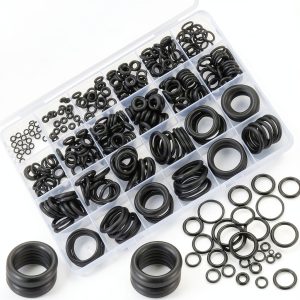 MUZHUPGUZ O Rings Premium Rubber Seals for Plumbing Auto
 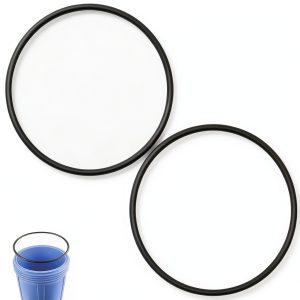 RPBKE Water Filter O-Ring EPDM Rubber Leak-Proof Replacement
  LVACODV Oil Lamp Chimney Borosilicate Glass
  Banjo Polypropylene Mini T-Strainer LSTM075-50C 3/4" NPT Female
  Stainless Steel Encryption Filters Double-Layers Stainless Steel Encryption Garden Hose Strainer with 3/8", 1/2" Barb Connection for Sprayer,Car Washers,Oil Pumps and Industrial Equipment (2 Packs)
  Lianheng Classic White Glass Lamp Shade E26
 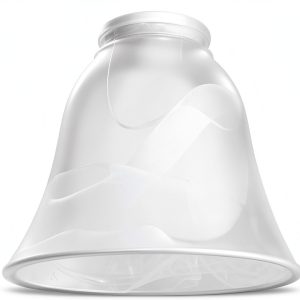 LHLYCLX Ceiling Fan Light Glass Replacement Alabaster 2.17" Fitter
 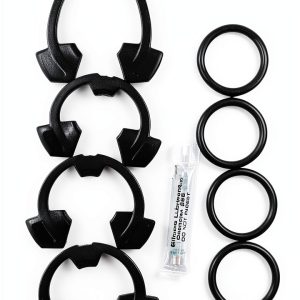 Soft Water Supply 1 Inch Faucet O Rings Synthetic Rubber
 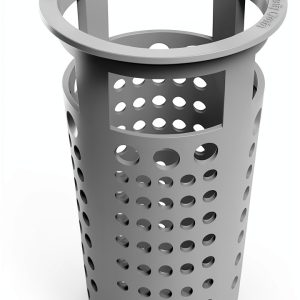 Infinity Drain: HB 65-2" Hair Basket for 65 series
Reviews
There are no reviews yet.